
LLIBRERIA
PER A
LLEGIR




Cerca avançada


Compartir


Guardar en favorits


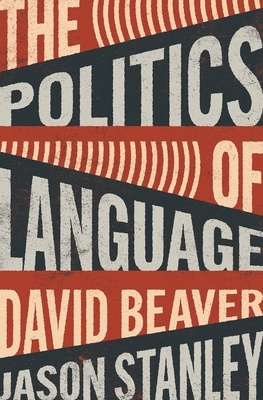
The Politics of Language


The Politics of Language
In The Politics of Language, David Beaver and Jason Stanley present a radical new approach to the theory of meaning, offering an account of communication in which political and social identity, affect, and shared practices play as important a role as information. This new view of language, they argue, has dramatic consequences for free speech, democracy, and a range of other areas in which speech plays a central role.
Drawing on a wealth of disciplines, The Politics of Language argues that the function of speech whether in dialogue, larger group interactions, or mass communication is to attune people to something, be it a shared reality, emotion, or identity. Reconceptualizing the central ideas of pragmatics and semantics, Beaver and Stanley apply their account to a range of phenomena that defy standard frameworks in linguistics and philosophy of language from dog whistles and covert persuasion to echo chambers and genocidal speech. The authors use their framework to show that speech is inevitably political because all communication is imbued with the resonances of particular ideologies and their normative perspectives on reality.
At a time when democracy is under attack, authoritarianism is on the rise, and diversity and equality are being demanded, The Politics of Language offers a powerful new vision of the language of politics, ideology, and protest.
Drawing on a wealth of disciplines, The Politics of Language argues that the function of speech whether in dialogue, larger group interactions, or mass communication is to attune people to something, be it a shared reality, emotion, or identity. Reconceptualizing the central ideas of pragmatics and semantics, Beaver and Stanley apply their account to a range of phenomena that defy standard frameworks in linguistics and philosophy of language from dog whistles and covert persuasion to echo chambers and genocidal speech. The authors use their framework to show that speech is inevitably political because all communication is imbued with the resonances of particular ideologies and their normative perspectives on reality.
At a time when democracy is under attack, authoritarianism is on the rise, and diversity and equality are being demanded, The Politics of Language offers a powerful new vision of the language of politics, ideology, and protest.
Llegir més
Editorial: Princeton University Press
Matèria:
Sociologia
ISBN: 978-0-691-18198-1
Idioma: Inglés
Mesures cm: 15.5 x 23.5
Pàgines: 520
Estat: Disponible
Data d'edició: 02-01-2024
0.00€(IVA inclòs)
*Preu subjecte a tipus de canvi

Sense stock